Collections
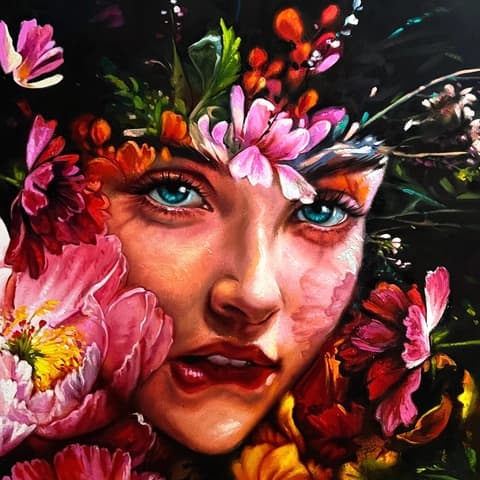
Bloom Beneath the Skin
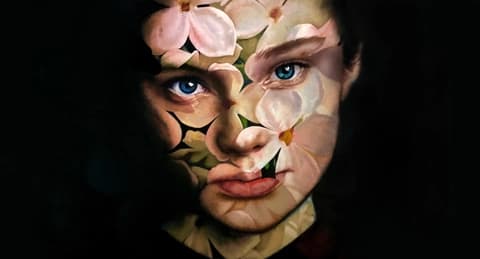
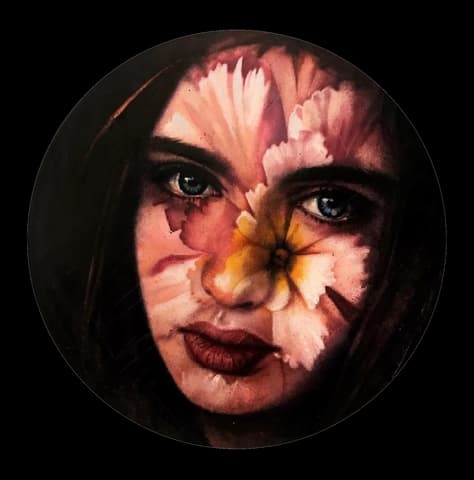
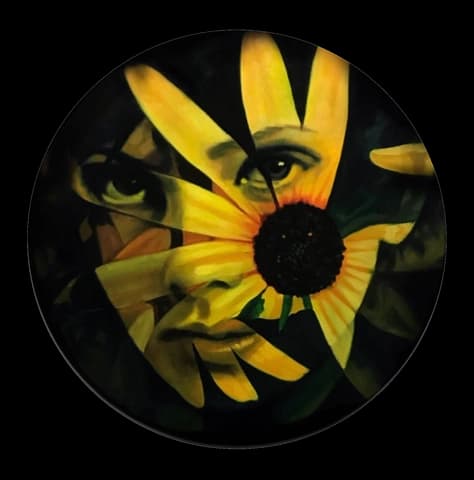
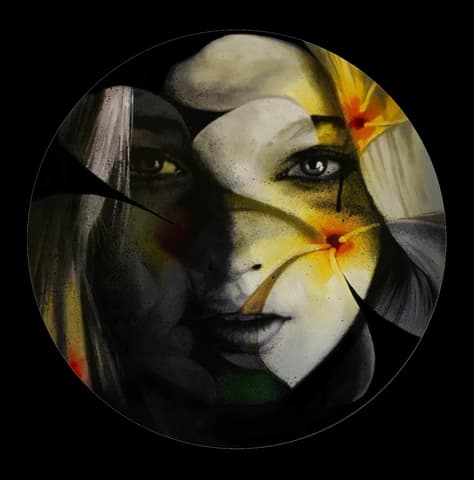
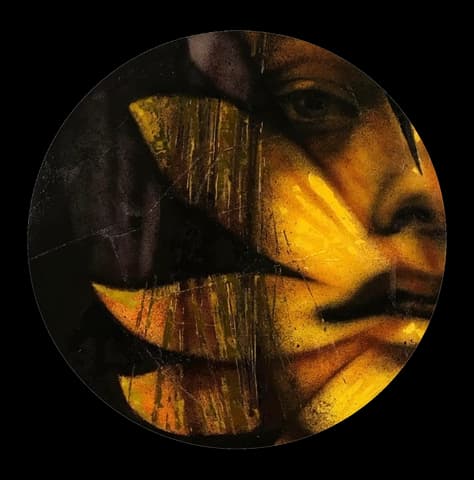
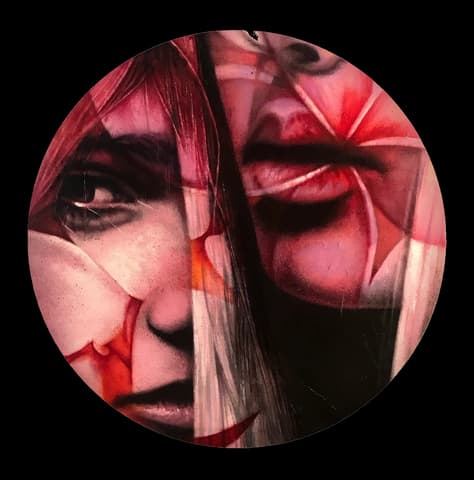
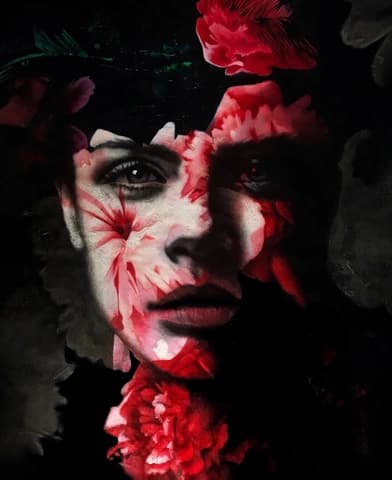
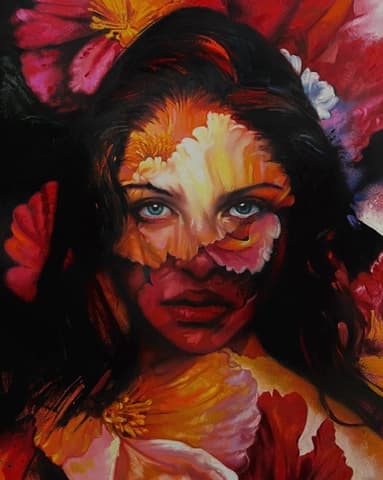
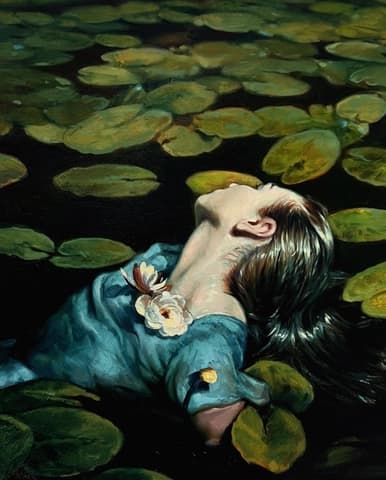
Bloom Beneath the Skin In this series, the portrait becomes a site of transformation where identity, emotion, and organic form dissolve into one another. Flowers do not function as decorative elements; instead, they emerge as psychological extensions of the human figure—fragments of memory, vulnerability, desire, and concealment. The face is repeatedly interrupted, obscured, or reconstructed through botanical forms, suggesting the instability of perception and the layered nature of selfhood. These interventions create a tension between revelation and disappearance, intimacy and distance. Color and light operate with heightened emotional intensity, pushing the image toward a space that exists between realism and hallucination. The floral elements simultaneously beautify and disrupt the portrait, questioning traditional associations between beauty and identity. Rather than presenting fixed representations, the works inhabit a fluid psychological territory where the human body becomes permeable—absorbing atmosphere, emotion, and symbolic traces of the natural world.
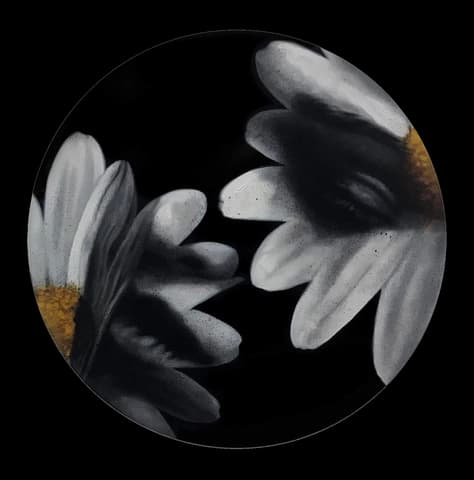
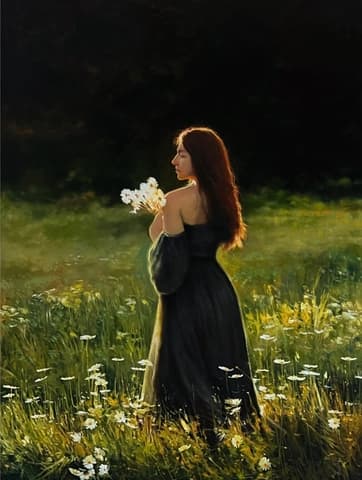
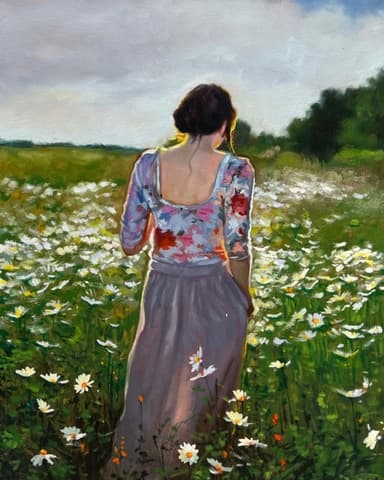
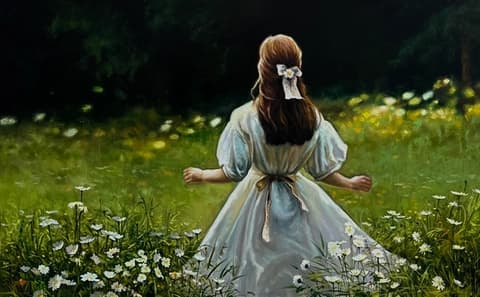
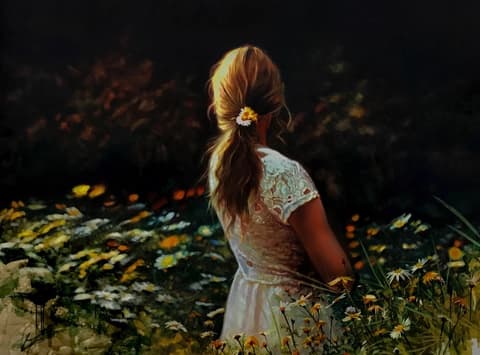
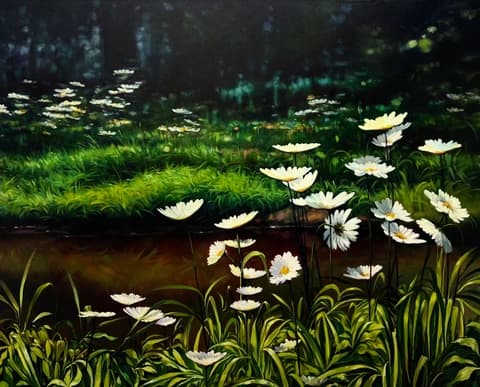
Daisies are wildflowers
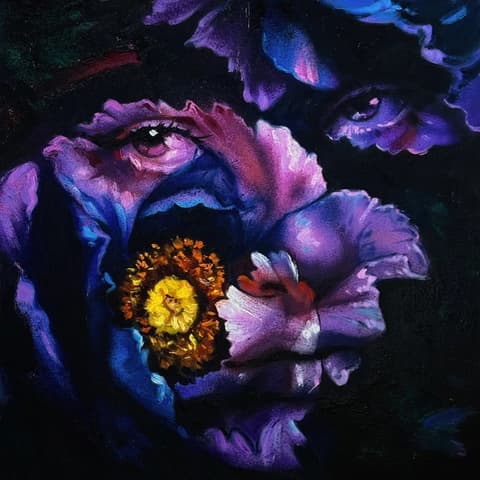
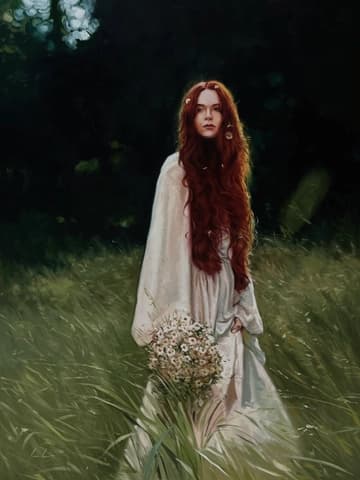
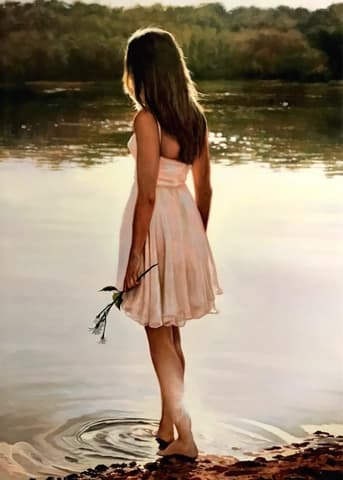
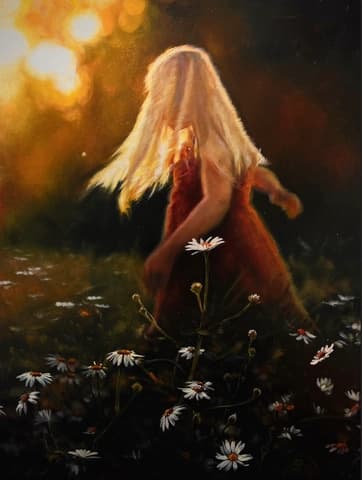
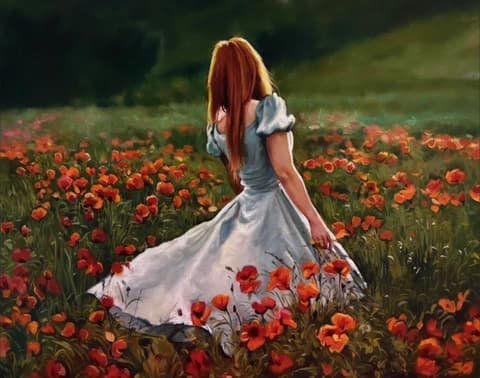
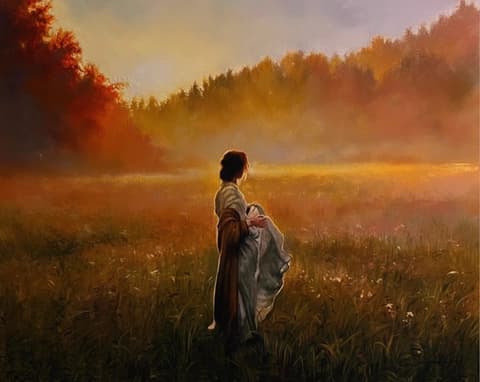
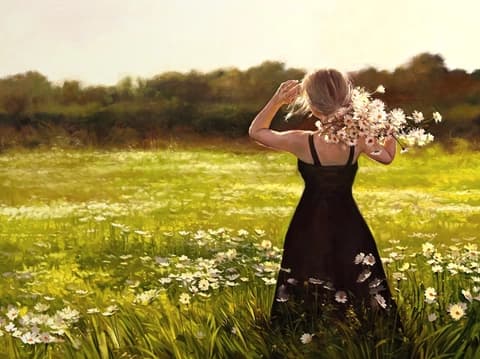
In “Daisies Are Wildflowers,” the image functions as a space of dissolution between subject and landscape. The female figure, recurring throughout the series, does not assert dominance over the environment but instead merges with it, challenging traditional hierarchies between body and nature. Daisies—humble and seemingly peripheral elements—operate here as a conceptual device. Rather than representing, they activate a reading centered on the essential, the overlooked, and the non-spectacular. Their repetition establishes a quiet visual language that shifts attention away from explicit narrative and toward emotional and perceptual states. Light, treated as a sensitive and almost tactile material, structures the viewer’s experience, generating atmospheres that oscillate between intimacy and transcendence. Within this framework, the series proposes contemplation as a form of resistance against the saturation of contemporary visual culture.
The Silence of the Invisible
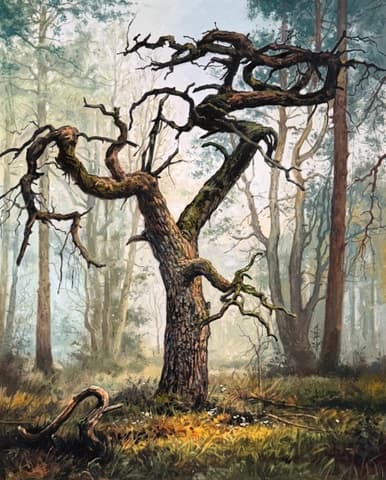
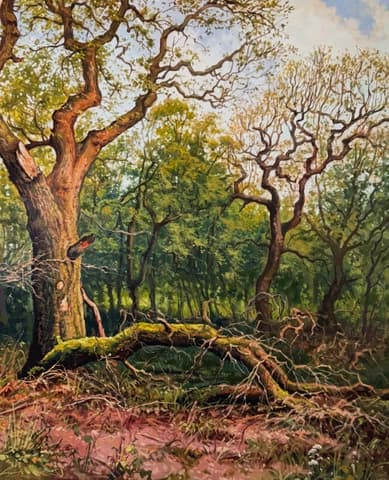
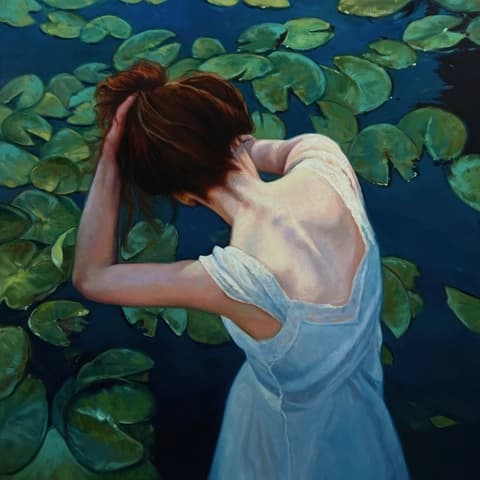
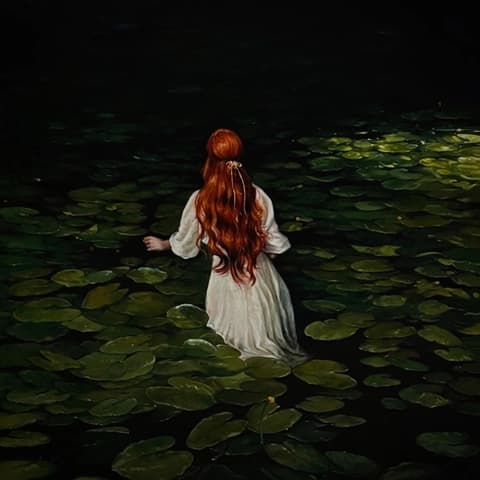
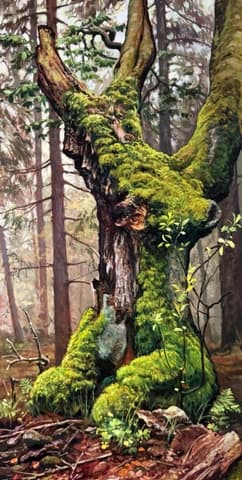
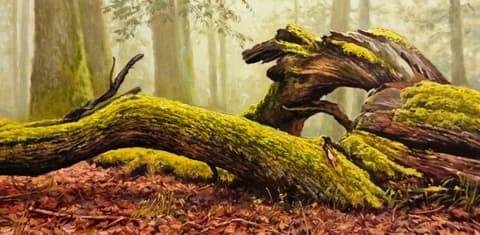
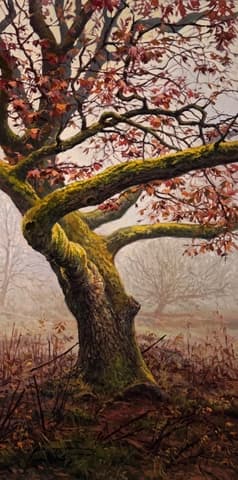
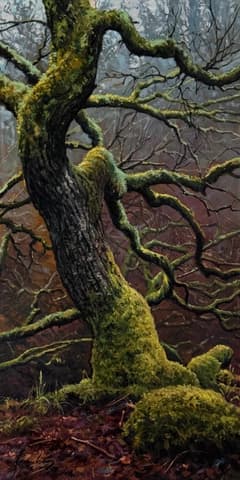
The Silence of the Invisible is a series of landscapes that celebrates what often goes unnoticed. In everyday life, many natural corners and humble elements—a moss-covered log, a forgotten rock, a soft light over an ordinary landscape—remain outside our attention. Through this series, I explore the hidden beauty within those quiet moments that we do not usually appreciate at first glance. The work invites the viewer to pause, to contemplate with greater sensitivity, and to listen to the visual silence of what we rarely look at twice. Each piece functions as a visual whisper: an invitation to rediscover the extraordinary within the seemingly ordinary, and to recognize that within the invisible, a profound beauty also resides.

Landscape
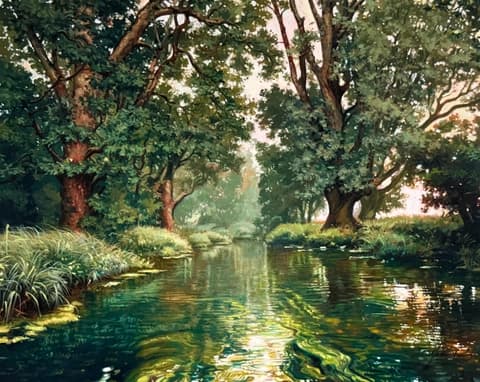
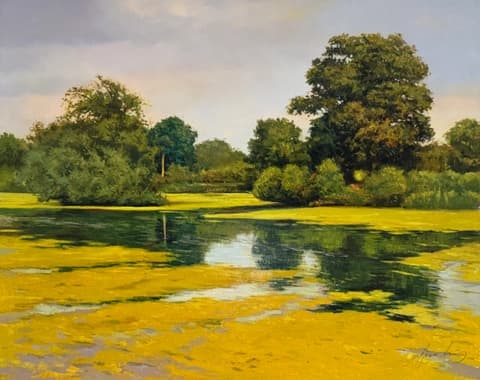
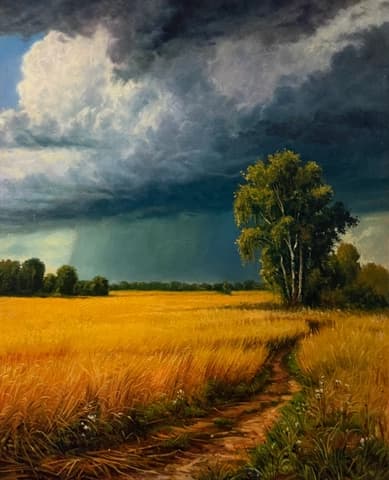
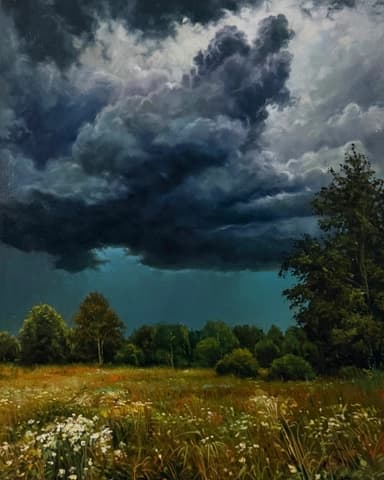
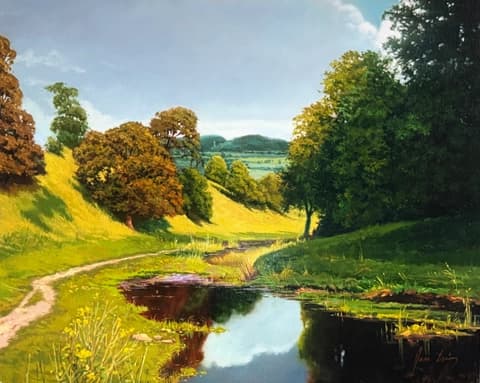
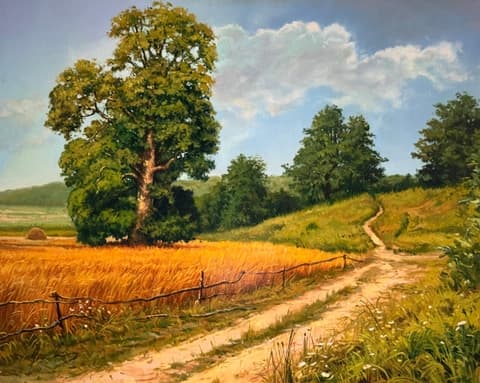
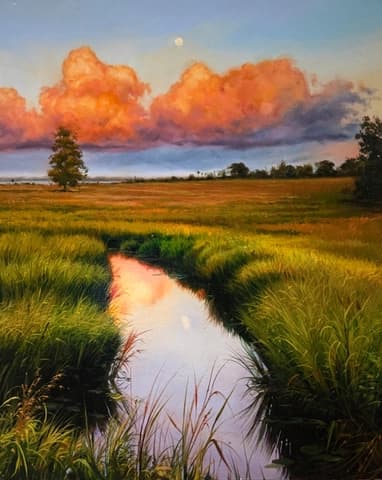
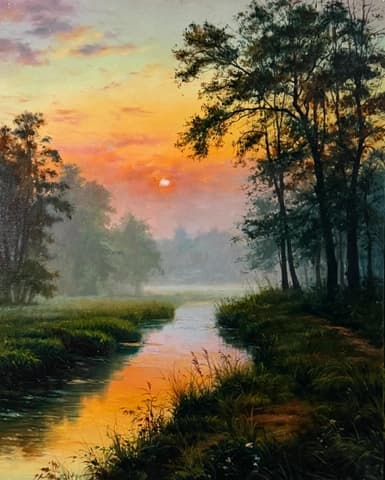
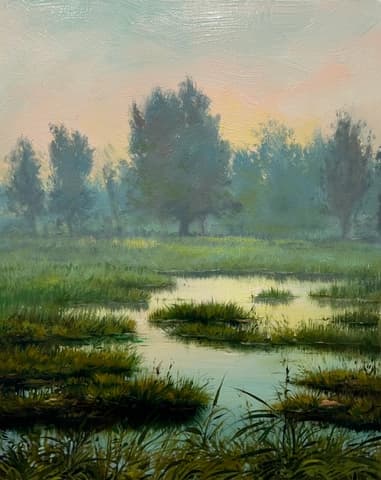
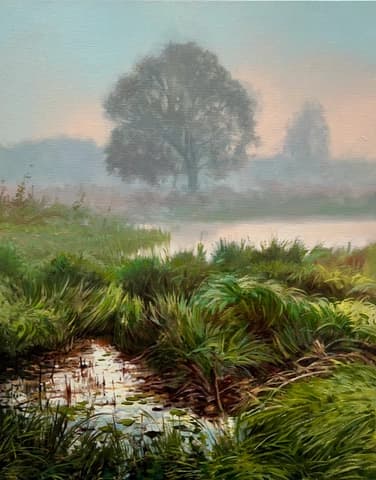
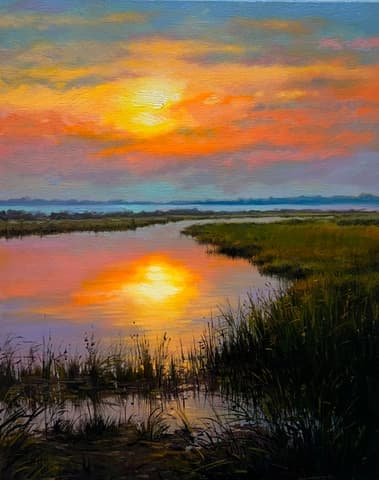
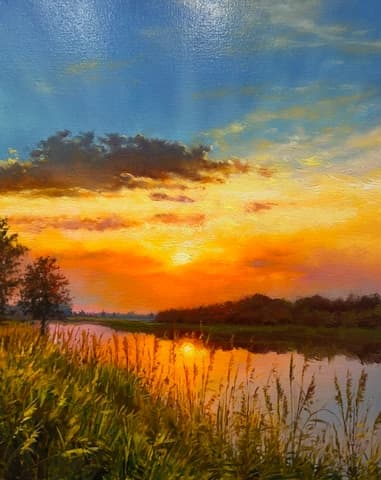
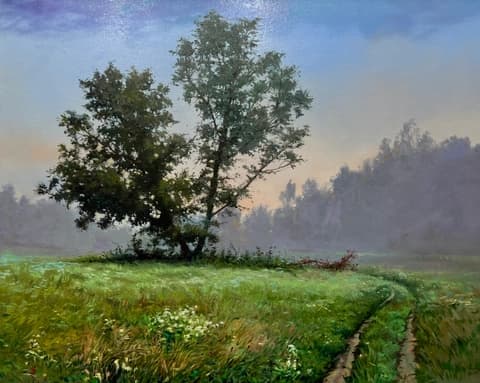
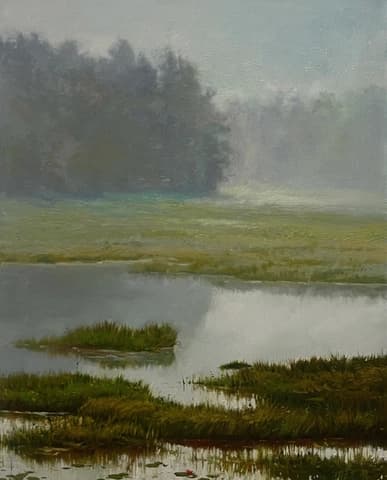
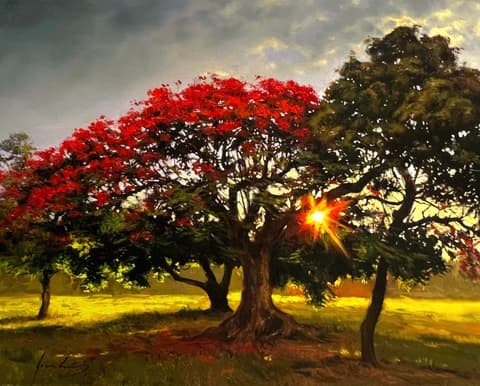
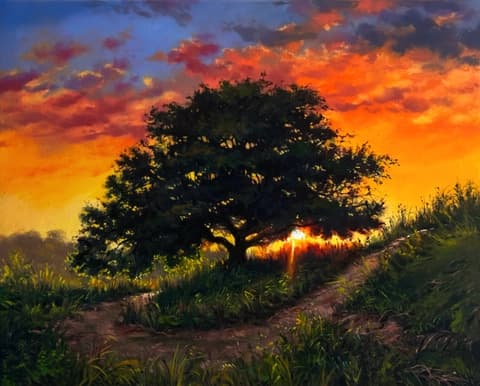
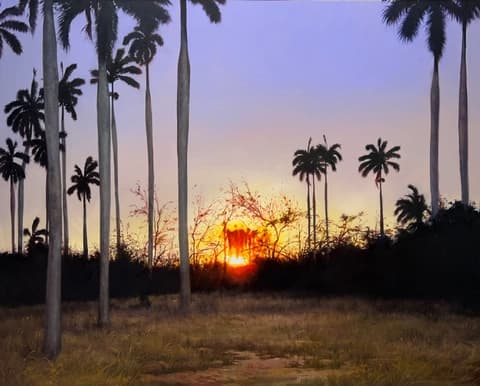
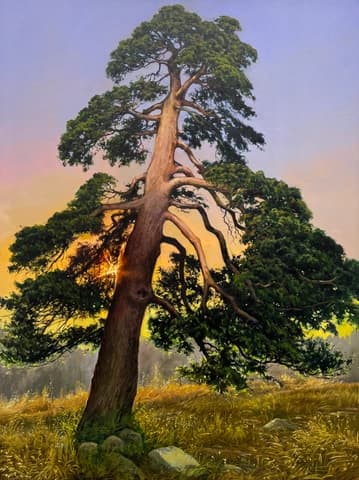
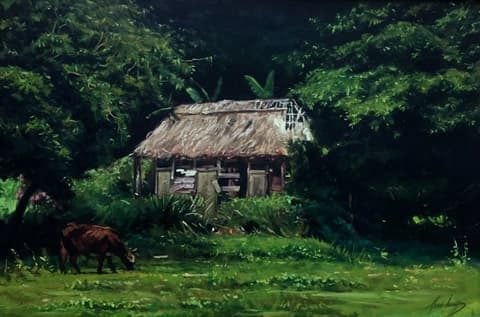
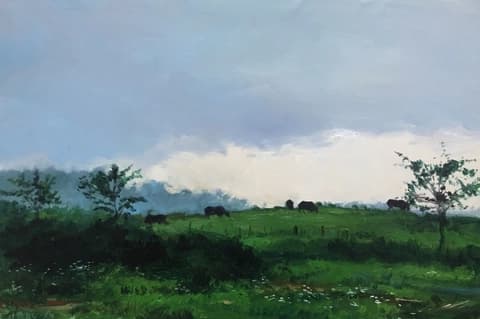
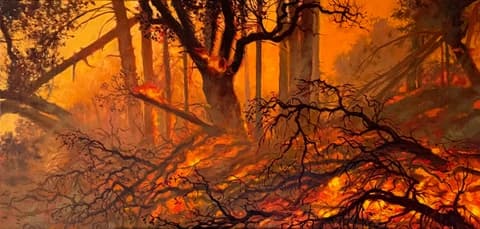
In this body of work, the landscape is approached not as a site to be represented, but as a space to be experienced. The scenes depicted—fields, wetlands, solitary trees, shifting skies—are stripped of anecdotal narrative and instead function as atmospheric fields where perception and emotion converge. Rather than documenting specific locations, the paintings construct a suspended sense of time, where light, weather, and season become the primary subjects. Storm clouds gather without resolution, paths lead without destination, and water reflects not only the environment but an interior state. The absence of the human figure does not imply emptiness, but presence. A quiet, almost imperceptible tension inhabits each composition, suggesting that the landscape is not passive, but responsive—an active counterpart to human perception. Through a careful orchestration of light and tonal shifts, the work navigates the threshold between the real and the remembered. In doing so, it proposes the landscape as a psychological and sensory space, where contemplation becomes an immersive act rather than a distant observation.